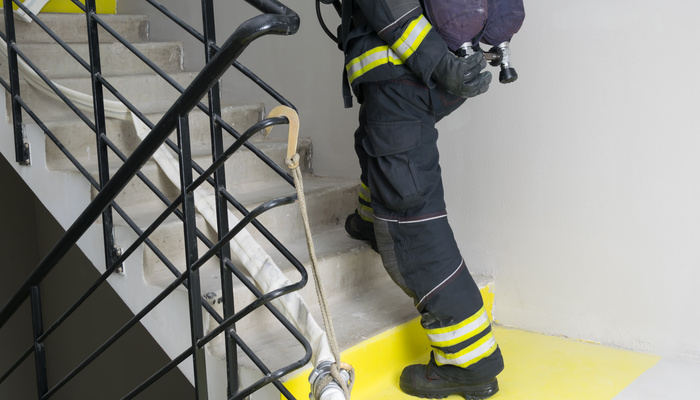
Firefighting demands peak physical condition to handle everything from carrying heavy equipment to rescuing individuals from dangerous situations. A targeted fitness regimen helps firefighters perform their duties safely and effectively, reducing the risk of injury on the job.
There are many essential exercises geared toward firefighters that build functional strength and cardiovascular health necessary. Incorporating these movements into a regular workout routine can prepare firefighters for the physical challenges they face daily. The focus is on building a strong, resilient body.
Strength Building Exercises for Firefighters
Firefighters need substantial strength to manage their daily tasks. Their protective gear alone can weigh over 50 pounds, and they often carry heavy tools like hoses, ladders, and saws.
Strength training builds the power needed to lift, carry, and operate heavy equipment efficiently. It also strengthens muscles and connective tissues, which helps prevent strains and injuries. A well-rounded program is essential for maintaining career longevity and overall health. Here are some of the best exercises for firefighters that focus on building strength:
- Deadlifts: Deadlifts are one of the best exercises for firefighters because they build total-body strength, particularly in the back, legs, and core. This functional movement mimics lifting heavy objects from the ground.
- Farmer’s Walks: This exercise involves walking while carrying heavy weights in each hand. It builds grip strength, core stability, and endurance, all of which are vital for carrying equipment.
- Overhead Press: Pressing weights overhead strengthens the shoulders, arms, and upper back. This movement helps with lifting ladders and other gear above your head.
Cardio Exercises for Firefighters
Endurance is a vital component of a firefighter’s fitness, as the demands of the job often require prolonged physical exertion under extreme conditions. Firefighters may spend extended periods carrying heavy equipment, climbing stairs, or navigating through hazardous environments, all while wearing restrictive protective gear.
Without adequate endurance, fatigue can quickly set in, reducing performance and increasing the risk of mistakes or injuries. Cardiovascular endurance also ensures the body can sustain oxygen delivery to muscles during high-intensity activities, which is essential for maintaining focus and physical capability during critical moments.
By incorporating endurance training into their fitness routines, firefighters can build the stamina needed to perform their duties effectively and safely, no matter how long the task takes.
- Stair Climbing: This exercise simulates climbing stairs in a multi-story building. Use a stair climber machine or run flights of stairs to build lower-body strength and cardiovascular endurance.
- Running: Consistent running improves aerobic capacity. Mix in sprints to prepare your body for the short, intense bursts of activity required during emergencies.
Creating Your Fitness Plan
Consistency is key to seeing results. Aim for a balanced routine that includes 3-4 days of strength training and 3-4 days of cardiovascular exercise per week. Always listen to your body and allow adequate rest and recovery to prevent overtraining and injuries.
Proper form is also vital for all exercises, so if you are new to these movements, consider working with a qualified trainer to ensure you perform them safely. A solid fitness foundation will support a long and healthy career in the fire service.