Uncollected refuse attracts pests, breeds bacteria, and contaminates local environments. Communities suffer immediate consequences when waste accumulates on streets or in unauthorized dumping grounds.
Sanitation experts and medical professionals agree that proper waste management is critical for public health. Effective disposal methods help protect communities from biological hazards and toxic substances.
Controlling Disease Vectors and Pathogens
Rotting organic matter provides ideal breeding grounds for vermin. Rats, mosquitoes, and flies thrive in environments filled with decomposing food and debris. These pests carry pathogens like Salmonella, E. coli, and Lyme disease. They transfer bacteria from waste piles to human food sources and living areas.
Effective removal eliminates these habitats. Regular pickup schedules disrupt the breeding cycles of insects and rodents. Sanitation teams remove potential food sources before pest populations explode. This separation of humans from their waste breaks the chain of disease transmission.
Safeguarding Groundwater and Soil Quality
Landfills produce leachate during the decomposition process. This liquid runoff contains harmful chemicals, heavy metals, and organic compounds. Without proper containment, leachate seeps into the soil and reaches groundwater tables—contaminated aquifers poison drinking water supplies for entire regions.
Modern sanitary landfills utilize liners and collection systems. These barriers stop pollutants from escaping into the surrounding environment. Treatment facilities process leachate to remove contaminants before discharging the water back into the environment. These engineering controls protect natural resources from permanent damage.
Reducing Air Pollution Risks
Burning trash creates dangerous atmospheric pollutants. Incinerating plastics and synthetic materials releases dioxins, furans, and particulate matter into the air. These toxins enter the lungs and cause severe respiratory issues. Open-burning operations often lack the necessary filtration to capture these particles.
Professional disposal facilities use advanced scrubbers and filters. These systems capture harmful emissions before they leave the smokestacks. Methane gas, a byproduct of the decomposition of organic waste, also warrants attention. Landfill operators capture this gas to prevent it from entering the atmosphere, often converting it into energy.
Handling Hazardous and Medical Waste
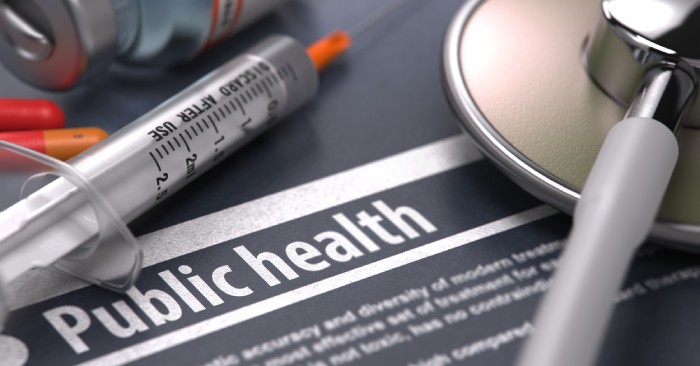
Medical facilities and industrial plants generate dangerous byproducts. Needles, biological samples, corrosive chemicals, and radioactive materials require specialized handling. Direct contact causes injury, infection, and long-term illness. Strict protocols prevent accidental exposure for sanitation workers and the public.
Specific treatment methods neutralize these threats. Autoclaving sterilizes medical waste, while chemical treatments neutralize industrial acids and bases. Segregation of these materials prevents dangerous reactions during transport and storage.
Maintaining Regulatory Standards
Commercial operations produce significant waste that requires diligent oversight. Compliance with federal and state regulations ensures safety and prevents environmental contamination; non-compliance results in substantial fines and health risks for staff. To protect your workforce and the surrounding community, you must remain compliant with your waste management protocols.
Following the rules minimizes legal liability. It also proves a commitment to community safety. Auditors seek specific documentation on disposal methods. Maintaining accurate records demonstrates that your facility handles hazardous materials appropriately.
Promoting Long-Term Wellness
Prioritizing sanitation supports a healthy society. Clean environments foster physical well-being and reduce the burden on healthcare systems. Everyone benefits when communities understand why waste management is critical for public health. Continued vigilance prevents future outbreaks and maintains a high quality of life.
Proper sanitation infrastructure demands investment and planning. Local governments and private companies work together to maintain these systems. This collaboration keeps cities clean and citizens healthy.