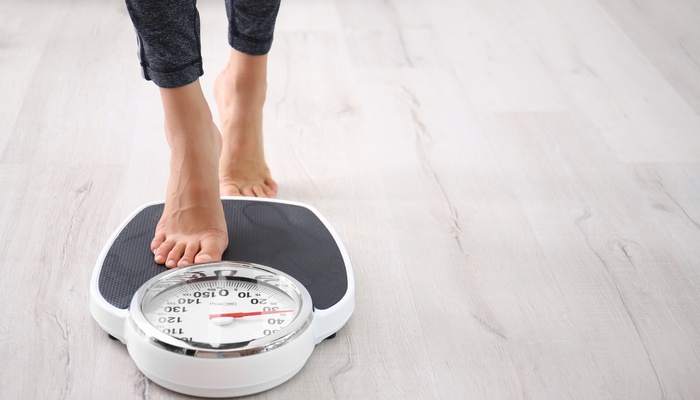
Weight loss often brings major health benefits, including improved mobility, heart health, and metabolic balance. Skin, however, responds differently depending on how quickly body fat disappears. Many people overlook how the speed of weight loss can affect their skin, yet this factor plays a meaningful role in skin elasticity, firmness, and overall appearance.
Human skin stretches gradually as body size increases. Elastic fibers help it adapt to change. Rapid fat loss may leave skin struggling to keep up, especially when large amounts of weight disappear within a short period.
Skin Elasticity and Rapid Weight Loss
Skin contains collagen and elastin, proteins responsible for structure and flexibility. Rapid weight reduction reduces underlying fat faster than the skin can contract. Loose or sagging areas may appear around the abdomen, arms, thighs, and neck.
Age, genetics, hydration, and long-term sun exposure also influence elasticity. Younger skin tends to rebound more easily, while aging skin may show more visible changes after major weight shifts.
Gradual weight loss often allows the skin more time to adapt to shrinking fat stores. Slower changes support natural tightening processes that occur as collagen and elastin respond to shifting body contours.
Areas Most Affected by Loose Skin
Certain parts of the body tend to show changes more clearly. The neck and jawline often reveal loose skin quickly because this region contains thinner skin and limited structural support.
Visible changes in the neck can affect self-confidence for some individuals. There are several non-surgical procedures for neck tightening, which many prefer due to the area’s sensitive and visible nature.
Meanwhile, the abdomen, upper arms, and inner thighs also commonly show laxity after major weight loss. Individuals who lose significant weight after obesity may notice more pronounced excess skin due to long-term stretching.
Lifestyle Factors That Support Skin Health
Healthy habits may support skin resilience during weight loss. Balanced nutrition helps maintain collagen production. Adequate protein intake supports tissue repair and skin structure.
Hydration also contributes to skin flexibility. Well-hydrated skin tends to maintain elasticity more effectively than dehydrated tissue.
Strength training offers additional benefits. Muscle growth fills underlying space beneath the skin, which can contribute to the appearance of firmness while body fat decreases.
Why Weight Loss Pace Matters
Gradual weight loss often benefits both health and appearance. A steady pace allows metabolic systems, connective tissue, and skin structure to adapt more comfortably.
Visible skin changes may still occur, especially after large weight reductions. Awareness of how the speed of weight loss can affect your skin helps people set realistic expectations and choose strategies that support both long-term health and skin integrity.