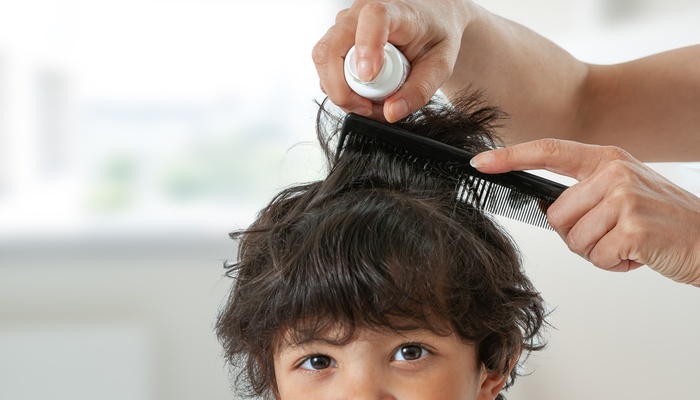
If you’ve just found lice, the biggest mistake is either panicking and cleaning everything in sight or waiting to “see if it goes away.” Lice spread mainly through head-to-head contact, so quick, practical steps help more than extreme home disinfection. If you find lice on yourself or a child, here’s exactly what to do to clear out this pest infestation.
Confirm It’s Live Lice and Not Something Else
Start with a careful check under bright light. The most reliable spots are behind the ears and at the nape of the neck. Live lice move quickly and can be hard to see, while nits are tiny, oval eggs that cling firmly to the hair shaft near the scalp. Dandruff or hair product residue usually flakes off easily, but nits won’t.
What to Do Immediately After You Find Lice
Begin by minimizing head-to-head contact. Pull long hair back, avoid sharing pillows or hair accessories, and pause close-contact activities until you’ve started treatment and completed a thorough comb-out.
Next, start wet-combing as soon as you can because it reduces the number of live lice immediately. Dampen the hair, add conditioner to help the comb glide, and work in small sections from scalp to ends, cleaning the comb frequently as you go. This step gives you a clearer sense of how heavy the infestation is.
It’s also smart to alert recent close contacts in a calm, matter-of-fact way. People in the same household or anyone with recent head-to-head contact should check their hair so you don’t end up passing lice back and forth.
Choosing a Treatment That Works
Many people reach for over-the-counter lice shampoos first, but treatment failures are common in many communities due to resistance. That’s why someone can follow the box instructions and still see live lice afterward. Lice are resistant to many over-the-counter treatments, so it’s important to seek out a professional for removal or product recommendations.
Prevent Reinfestation Without Over-Cleaning
A targeted cleanup is enough. Focus on items that have had direct head contact in the last couple of days, such as pillowcases, hats, and hair accessories. Wash and dry what you can using heat. For items you can’t wash, sealing them away for several days is usually sufficient because lice don’t survive long without a human host. You do not need to fumigate your home, throw out furniture, or do deep cleaning beyond what’s reasonable.
Over the next week to 10 days, plan to recheck the hair and repeat combing sessions regularly to catch any newly hatched lice before they mature. This will help confirm the abscence of lice. Now that you know what to do first after discovering head lice, you can nip these pests in the bud and get back to your normal day-to-day schedule.