Silicosis is a lung disease caused by inhaling silica dust, a common mineral found in materials like stone, sand, and concrete. It can cause symptoms ranging from minor coughing to severe shortness of breath and even respiratory failure.
For most people, the risk of developing silicosis is very low. But workers in certain jobs get exposed to silica dust on a near daily basis. Over time, the accumulated dust can scar lung tissue and impair breathing. If you’re curious what professions put a person most at risk for silicosis, and what these workers can do to protect their health, let’s explore!
Construction Workers
If you’ve ever walked past a construction site, you know dust is just part of the job. But for the folks working there, it’s a daily hazard. Tasks like jackhammering, drilling into concrete, or cutting bricks release huge clouds of silica dust. Because construction sites are often bustling with activity, dust can linger in the air, putting masons, concrete finishers, and demolition crews at high risk if they aren’t wearing the right gear.
Stone Countertop Fabricators
Engineered stone countertops have become incredibly popular in modern kitchens, but they come with a hidden danger. Engineered stone often contains much higher levels of silica compared to natural stone like granite or marble. When fabricators cut, grind, and polish these slabs to fit a kitchen island, it creates a fine, dangerous powder. Without rigorous water suppression systems and high-quality respirators, these artisans are breathing in hazardous levels of silica.
Miners and Quarry Workers
This is perhaps the most classic example of a high-risk profession for lung issues. Mining involves drilling directly into the earth’s crust, which is packed with silica. Whether they’re mining for coal, gold, or metal ores, the process of blasting and crushing rock generates immense amounts of dust in confined spaces. Ventilation can help reduce exposure to harmful dust particles, but mining remains one of the most hazardous environments for respiratory health.
Glass Manufacturing Workers
Did you know that sand is the primary ingredient in glass? Since sand is almost pure silica, glass manufacturing plants are hot spots for exposure. The risk is highest during the early stages of production, where raw materials are mixed, moved, and melted down. Workers handling the raw sand or maintaining the furnaces need to be extra vigilant about their respiratory protection.
Drywall Installers
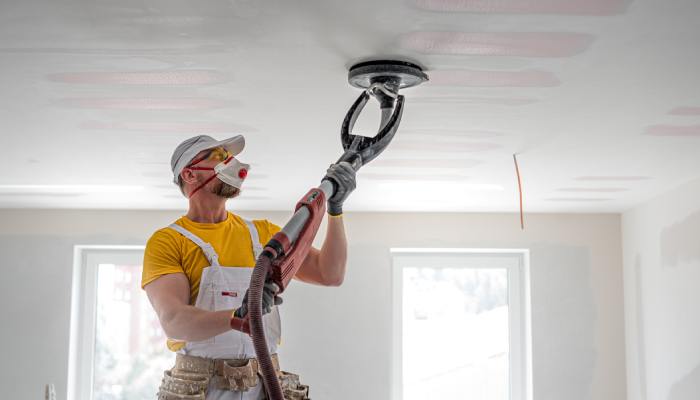
It might look like a cleaner job than mining, but drywall installation carries real risks. The joint compound (or “mud”) used to seal seams often contains silica. When installers sand it down to get that perfectly smooth finish, it creates a fine white dust that goes everywhere.
Wearing safety gear when sanding drywall is incredibly important for workers who want to reduce their risk of silicosis and other complications of dust exposure, including asthma, bronchitis, and eye irritation.
Protecting Your Health
These are some of the professions that put a person most at risk of silicosis. As you can see, most of these professions involve working in very confined, dusty areas with poor air circulation. The best way for workers in these jobs to protect themselves is by wearing respiratory equipment like N95 respirators, half-face masks, and powered air-purifying respirators (PAPRs). While this equipment can be uncomfortable, silicosis is much worse!