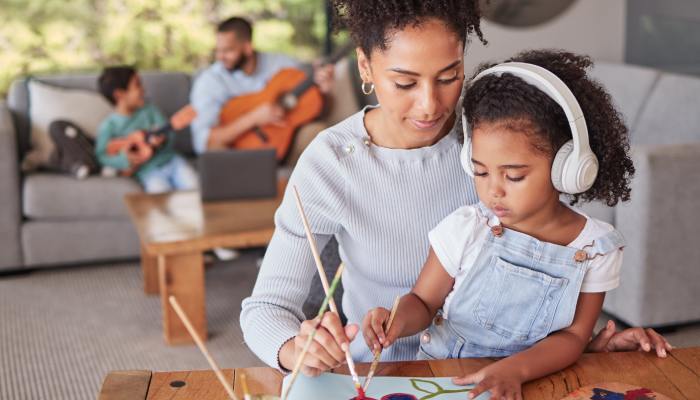
It’s easy to push personal interests aside when you’re busy. We often prioritize work, family, and other obligations, leaving little time for activities we do just for fun. However, engaging in hobbies is not a luxury; it’s an important component of maintaining good mental health. Making time for activities you enjoy can significantly improve your well-being, reduce stress, and bring a greater sense of balance to your life.
Reduce Stress and Anxiety
Daily responsibilities can lead to chronic stress, which negatively impacts mental health. Hobbies provide a necessary escape from these pressures. When you focus on an activity you enjoy, your mind gets a break from worrying about deadlines and to-do lists. This mental shift helps lower cortisol levels, the body’s primary stress hormone.
Engaging in a hobby improves mental health by activating the brain’s reward system, releasing dopamine and other feel-good neurochemicals. This process creates feelings of pleasure and satisfaction, actively counteracting the effects of stress and anxiety. Whether you are painting, gardening, or getting into a detail-oriented activity like advanced slot car racing, the focused attention required can induce a state of flow, similar to meditation. This state quiets mental chatter and promotes a sense of calm.
Boost Self-Esteem and Confidence
Learning and mastering a new skill provides a powerful boost to your self-esteem. Hobbies offer a low-pressure environment to challenge yourself and track your progress. As you improve, you develop a sense of accomplishment and competence that can extend to other areas of your life.
This newfound confidence comes from tangible achievements. For example:
- Finishing a knitted scarf
- Harvesting vegetables you grew
- Successfully playing a new song on an instrument
These small victories build upon each other, reinforcing a positive self-image and providing you with a sense of purpose outside of your professional or familial roles.
Foster Social Connections
Many hobbies offer opportunities to connect with others who share your interests. Joining a book club, a sports team, or a local workshop can help you build a strong social network. These connections are important for mental health, as they combat feelings of loneliness and isolation.
Sharing a common passion creates an instant bond and makes it easier to form meaningful relationships. These social groups provide a supportive community where you can exchange ideas, share experiences, and feel a sense of belonging. Strong social ties are consistently linked to greater happiness and a longer, healthier life.
Spark Your Creativity
Engaging in creative hobbies helps you think differently and approach problems from new perspectives. Activities like writing, drawing, or playing music stimulate your imagination and encourage self-expression. This creative outlet provides a healthy way to process emotions and explore your inner world.
Creativity is not limited to artistic pursuits. Any hobby that involves problem-solving, from woodworking to coding, flexes your creative muscles. Regularly exercising your creativity can improve your cognitive flexibility and enhance your problem-solving skills in all aspects of your life, making you more adaptable and resilient.
Rediscover Yourself
Hobbies give you a chance to explore your passions and rediscover what brings you joy. They offer a space to be yourself, free from the expectations of work or social roles. By investing time in your interests, you reinforce your identity and cultivate a richer, more fulfilling life. If you don’t already have a hobby, now is the perfect time to find one. Start exploring activities that genuinely excite you and notice the positive impact they have on your mental well-being.