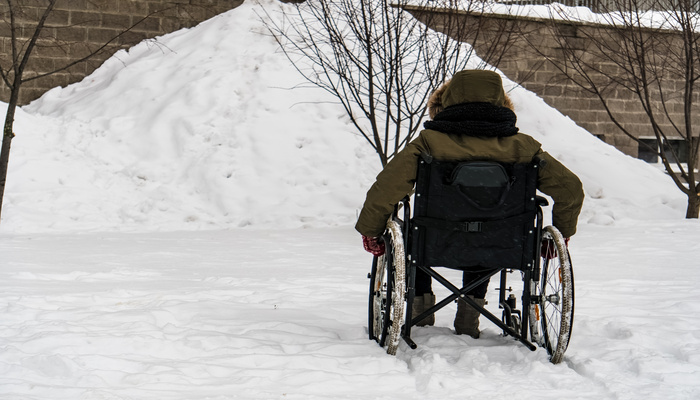
Sheets of ice on the sidewalk. A fresh coat of snow on the ramp. Frigid winds that sting your face the moment you step outside. For wheelchair users and caregivers, winter can be an obstacle course.
Yet, with some strategic planning and attention to detail, maintaining mobility independence through winter becomes less a test of endurance and more a season to move forward with confidence and safety. Every small adjustment, from gear to daily routines, can help with continued support as temperatures drop.
Prepare Your Home for Winter Conditions
The first line of defense against winter hazards is a well-prepared home environment. Keep walkways and ramps clear of snow and ice. Use a quality ice melt product that is safe for various surfaces and less corrosive to mobility equipment. Inside the home, place high-traction mats at all entryways to reduce the risk of slipping on wet floors. Also, check that indoor heating is functioning properly to create a comfortable and safe living space.
Essential Wheelchair and Mobility Aid Maintenance
Cold weather can affect the performance of mobility devices. For wheelchair users, it is important to check tire pressure regularly, as cold air can cause it to drop. Keep batteries for power wheelchairs and scooters fully charged, because they can lose their charge faster in frigid temperatures. Additionally, wiping down your device after being outside will prevent rust and damage from salt and moisture.
Safe Travel and Transportation
Planning outings requires extra consideration during the winter months. When possible, travel during daylight hours when visibility is better, and temperatures may be slightly warmer. For drivers, understanding the best practices for winter driving with limited mobility can lead to safer, more confident transportation. Always check weather forecasts before leaving home and communicate your travel plans with a family member or friend.
Dressing for Warmth and Safety
Layering clothing is an effective way to stay warm without adding excessive bulk that could restrict movement. Begin with a thermal layer close to the skin, then add a mid-layer of fleece or wool, and finish with a windproof, waterproof jacket. Accessories like gloves, hats, and scarves are also vital for preventing heat loss. Choose footwear with nonslip soles to provide good traction on potentially slippery surfaces.
The cold months can test confidence and routines, yet winter also brings an opportunity to adapt and redefine personal freedom. Whether you support a loved one or navigate each season on your own, maintaining mobility independence through winter reflects the ability to resiliently shape daily life regardless of the weather outside.