A scoliosis diagnosis can feel overwhelming, raising questions about your physical limits and long-term health. While living with a curved spine presents unique challenges, it doesn’t mean you can’t lead a full, active, and healthy life. The key is to be proactive about managing your spinal health.
We’ll explore ways to manage your spinal health with scoliosis, as well as methods to manage discomfort and improve your overall well-being. By incorporating these practices into your daily routine, you can take control of your health and live well with scoliosis.
Stay Active With Scoliosis-Friendly Exercise
Regular physical activity is crucial for managing scoliosis. Exercise helps strengthen the muscles that support your spine, improve flexibility, and reduce pain. However, it’s important to choose activities that support your back without causing strain.
Swimming, cycling, and walking are all great forms of exercise that can help you improve your spinal strength without placing unnecessary pressure on your spine. You could also use the Schroth Method, a physical therapy approach specifically designed for scoliosis patients.
Schroth exercise tools also help support better spinal health with custom-designed pieces that work well for scoliosis patients. Always consult with a physical therapist or a doctor specializing in scoliosis to create an exercise plan that is safe and effective for your specific curve.
Prioritize Good Posture
Mindful posture is one of the most powerful habits you can develop to manage scoliosis. Poor posture can exacerbate spinal strain, leading to increased pain and discomfort.
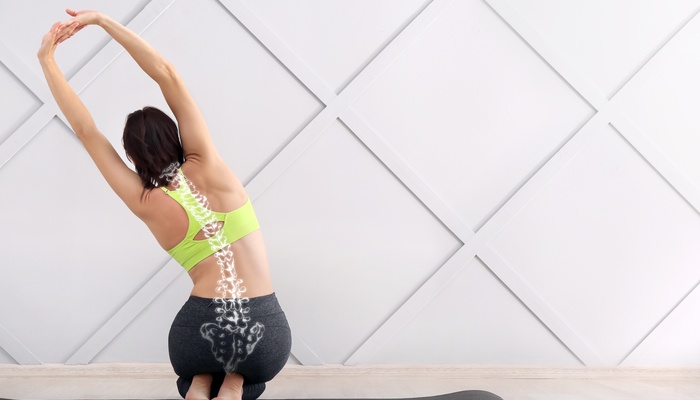
Throughout the day, make a conscious effort to check in with your body. When sitting, keep your feet flat on the floor, your back straight against the chair, and your shoulders relaxed. When standing, distribute your weight evenly on both feet and keep your shoulders back and down.
Focus on Core Strengthening
A strong core is a natural support for your spine. Your core muscles, which include your abdominals, obliques, and lower back muscles, play a vital role in stabilizing your spine and maintaining proper posture. For individuals with scoliosis, a strong core can help counteract the muscular imbalances caused by the spinal curve and reduce associated pain.
Gentle core-strengthening exercises are often recommended. Planks, bird-dog, and pelvic tilts can be effective without putting excessive pressure on the spine. It’s important to focus on proper form to avoid injury. Working with a physical therapist can ensure you’re performing these exercises correctly and targeting the right muscles.
Listen to Your Body
Living with scoliosis means being attuned to your body’s signals. Some days you might feel great, while on others, you may experience pain or fatigue. It’s important to listen to these signals and adjust your activities accordingly.
The most important part of listening to your body is resting when necessary. If you feel pain, don’t try to push through it. Managing your pain can be as helpful as exercise, so rest when you need to.
A Healthier Life as an Individual With Scoliosis
Managing your spinal health with scoliosis is an ongoing journey, but you don’t have to navigate it on your own. You can discuss your mobility and needs with a trusted physician or physical therapist and get expert tips to help you continue safely exercising. These steps empower you to support your spine and live a healthier, more comfortable life.