Hand-eye coordination plays a huge role in physical health, cognitive function, and daily independence. Strong coordination helps the brain communicate efficiently with muscles, which supports balance, reaction time, and movement accuracy. Adults who maintain this skill often reduce their risk of falls and activity-related injuries.
Healthcare professionals view coordination as a key component of healthy aging. Targeted practice keeps both the nervous and musculoskeletal systems engaged.
Reaction Training Improves Brain and Body Connection
Reaction-based exercises rank among the most effective ways to sharpen hand-eye coordination while also supporting brain health. Activities such as ball drops, quick-catch drills, and light-based reaction tools stimulate neural pathways responsible for processing speed. These movements demand focus and rapid decision-making.
Short, structured sessions provide the most benefit. Adults should perform these drills several times per week to reinforce consistent brain-body communication.
Visual Tracking Enhances Cognitive Performance
Visual tracking exercises train the eyes to guide the hands with precision. Practices like wall-ball tosses, controlled juggling, or following moving targets strengthen depth perception and spatial awareness. These skills directly support activities such as driving, navigating crowds, and household tasks.
From a health perspective, visual-motor training also supports attention and mental sharpness. Regular practice helps slow age-related decline in visual processing.
How Sports Participation Supports Coordination and Brain Health
Many sports strengthen hand-eye coordination by requiring athletes to track moving objects and respond with controlled movement. Activities such as tennis, pickleball, basketball, and volleyball improve reaction speed, visual processing, and motor planning. These benefits support cognitive health, balance, and injury prevention across adulthood.
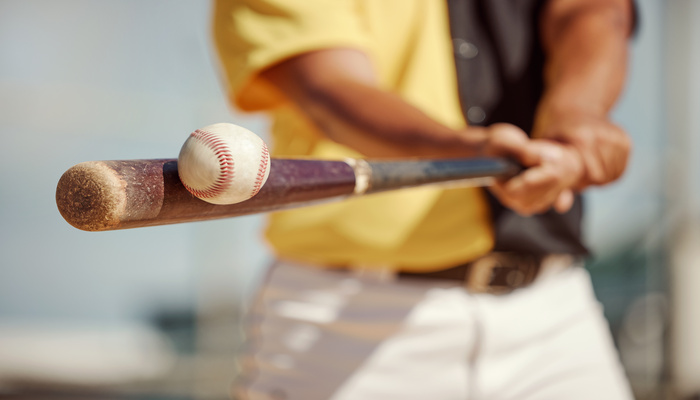
Sports that involve striking an object, such as baseball and softball, place additional emphasis on timing and precision. Swinging a bat requires coordinated eye tracking, grip control, and full-body alignment, which reinforces neuromuscular efficiency.
From a wellness perspective, regular participation in coordination-based sports is one of the most practical ways to sharpen hand-eye coordination while also supporting cardiovascular health and mental focus.
Strength and Stability Protect Joint Health
Coordination improves when the body maintains stability. Core strength, shoulder control, and grip endurance allow the hands to move accurately without excess strain. Healthcare providers often recommend resistance band work and light strength training to support joint health during coordination exercises.
This approach reduces injury while promoting controlled, intentional movement. Strong support muscles allow coordination gains to translate into daily life.
Consistent Practice Supports Healthy Aging
Adults maintain coordination through structured, repeatable routines. Combining reaction drills, visual tracking, and sport-based movement is a proven way to achieve this. Consistency matters more than intensity for long-term health outcomes.
Patients who integrate coordination training into their wellness routines often report improved confidence, safer movement, and better quality of life. These benefits align closely with preventive health goals across all adult age groups.