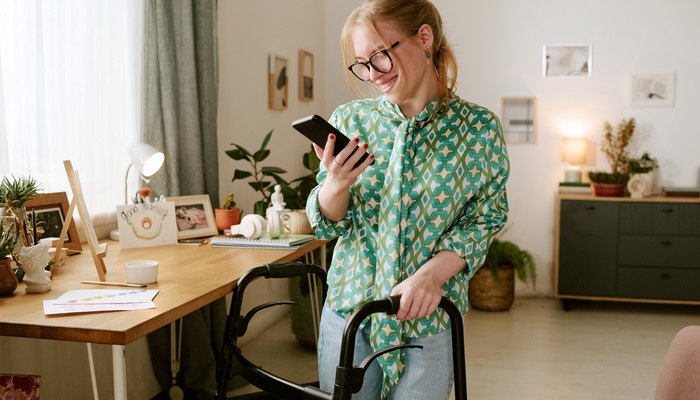
As people age, balance often changes. You might notice unsteadiness when standing up, turning quickly, or walking on uneven surfaces. These changes matter because balance problems increase the risk of falls. Falls often lead to injuries that reduce independence. If you hold onto furniture or walls while moving through your home, that behavior signals a need for extra support. A mobility aid can provide stability and help you move with greater confidence during daily activities.
Paying Attention to Pain and Fatigue
Ongoing pain in the hips, knees, back, or feet can limit movement. Pain often causes people to walk differently, which puts strain on other joints. Fatigue also plays a major role. If short walks leave you exhausted, your body may need support to conserve energy. A mobility aid can reduce stress on joints and muscles. With proper support, you may walk longer distances and complete tasks without feeling worn out.
Noticing Changes in Daily Activities
Difficulty with everyday tasks often points to mobility challenges. Activities such as shopping, attending social events, or walking around the house should not feel overwhelming. When movement becomes difficult, frustration and isolation may follow. Maintaining independence matters for physical and emotional health. Supportive devices help people continue routines safely and comfortably.
Common signs include:
- Trouble standing up from chairs or beds
- Difficulty climbing stairs or curbs
- Fear of falling while walking
- Slower walking speed than usual
These signs suggest that extra assistance could improve safety and comfort.
Considering Safety and Fall Risk
Safety should always come first. Falls remain a leading cause of injury among older adults. If you have experienced a fall, even without injury, you should take it seriously. Near-falls also count as warnings. A mobility aid offers stability and reduces the chance of losing balance. Many people resist using support because they worry about appearance or stigma. Prioritizing safety protects long-term independence and health.
Understanding Emotional and Social Impact
Mobility challenges affect more than the body. Fear of falling can limit social activities and reduce confidence. You may avoid outings, exercise, or visits with friends. This withdrawal can lead to loneliness and reduced quality of life. Using a mobility aid can restore confidence and encourage social participation. Feeling secure while moving allows you to stay active and connected.
Choosing an Appropriate Support Option
Mobility aids come in many forms, including canes, walkers, rollators, and wheelchairs. Each option serves a different level of need. Choosing the right mobility aid depends on balance, strength, endurance, and daily activities. A cane may help with mild balance issues, while a walker provides greater support. Consulting a healthcare professional ensures proper fit and safe use. Proper selection prevents strain and maximizes benefits.
Knowing When to Seek Professional Advice
Healthcare providers can assess mobility, strength, and balance. Physical therapists often recommend specific devices and teach correct usage. Early guidance helps prevent injuries and promotes confidence. You do not need to wait for a serious fall to ask for help.
Recognizing early signs empowers you to act. Mobility aids enhance safety, comfort, and independence. Using one reflects strength and awareness. By addressing mobility changes promptly, you can live actively and safely.